

THE CONTABO BLOG
Server know-how, product
news and hands-on guides
Benchmarks, tutorials and announcements from the team behind your VPS, VDS and
dedicated servers — written for people who actually run the machines.
Latest articles

How Much VRAM Do You Need to Run an LLM? Model Size Guide
How much VRAM you need for an LLM comes down to one calculation: parameters × bytes per weight, plus room for the KV cache and runtime overhead. That…
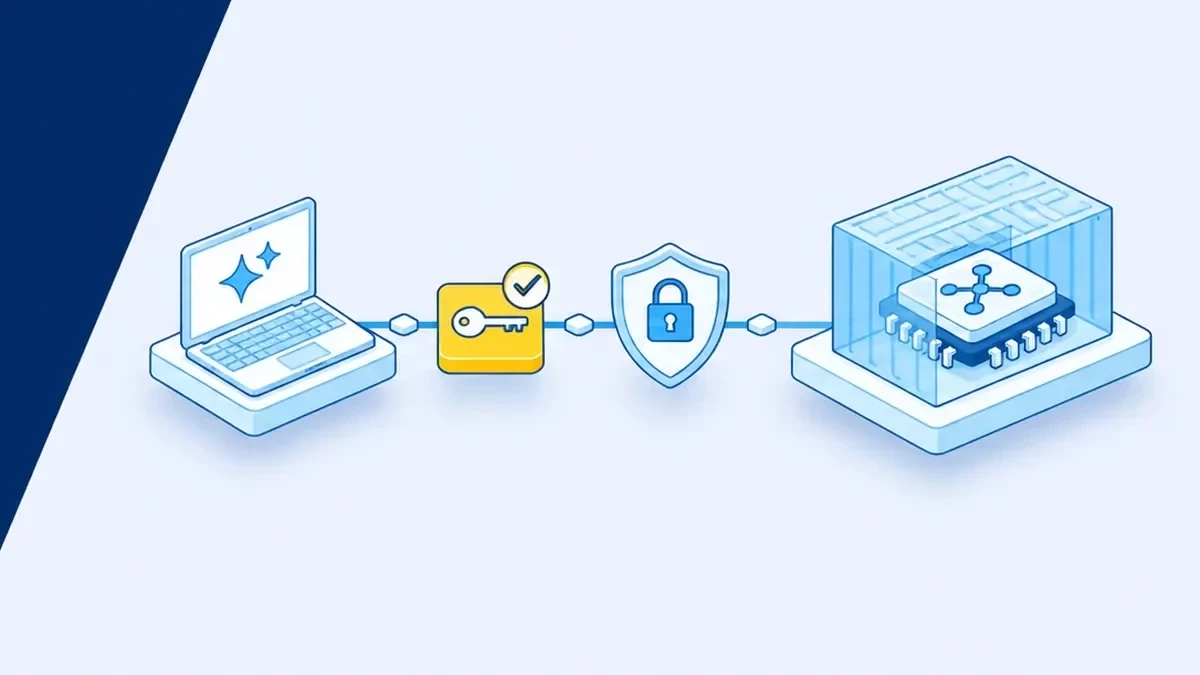
How to Host a Remote MCP Server on a VPS: Docker, HTTPS, Auth
A remote MCP server exposes tools to AI clients over HTTP instead of through a local process. To host one, you package the server in a container, run…

NVIDIA Container Toolkit on a GPU VPS: Drivers, CUDA and Docker
Set up a GPU VPS on Ubuntu: install NVIDIA drivers, add the NVIDIA Container Toolkit and run GPU containers in Docker. Verify with nvidia-smi.
What RunPod actually costs (and what a GPU VPS costs instead)
RunPod bills per second, but storage, warm time and cold starts add up. Here is how RunPod pricing works and when a fixed-price GPU VPS costs less.
How to Self-Host Piper TTS for Offline Voice Generation
Piper TTS is a free neural text-to-speech engine that runs on CPU alone. Learn how to install it on a VPS, download a voice, serve audio over HTTP,…
The Big Bug Backlog: How AI is digging up decades of overlooked security flaws
AI now finds serious security flaws faster and more cheaply than ever. We explain what that means, how we handled PwnEscape and php2shell in October 2026, and what…

RAMageddon: how AI ate the memory market, and how we’re keeping costs under control
Memory prices soared in 2026 as AI data centers bought up supply. We explain where the cost pressure came from, which plans we adjusted, and why we moved…
Watching the internet being built: how Datazag maps 364 million domains to catch attackers before they strike
Datazag tracks over 364 million domains to catch attackers while they’re still setting up – before the first malicious email lands. Here’s how a small, self-funded team maps…