What you need to know:
- Memory chip prices rose steeply in 2026 because AI data centers bought up the supply.
- Storage, electricity, cooling and internet addresses all got more expensive too.
- We adjusted prices on entry-level VPS and Max Performance VPS (Cloud VDS), and restructured our portfolio to offer more value through choice.
- We moved far less than the market did, and we moved selectively.
- We cannot promise flat prices for 12 months. We can keep changes small and infrequent.
No doubt you’ve noticed: cloud hosting got more expensive in 2026, and the industry reaction has been felt everywhere. Providers across Europe and North America raised their prices, several of them more than once, and we adjusted some of ours as well. While we’ve tried to give some context to these changes as they happened, we think you deserve a more in-depth explanation about what’s going on and how things are likely to continue from here.
The real reason for the cost creep starts inside a chip factory, and the result lands directly on your invoice. Following the trail from one end to the other can provide some important insight into the situation. Read on to find out more about where this price pressure came from and what we’re doing about it.
Why the memory shortage is not a normal price cycle
The 2026 memory shortage is structural rather than cyclical, which is a polite way of saying it’s a bad one. It also means it will not sort itself out on the usual schedule.
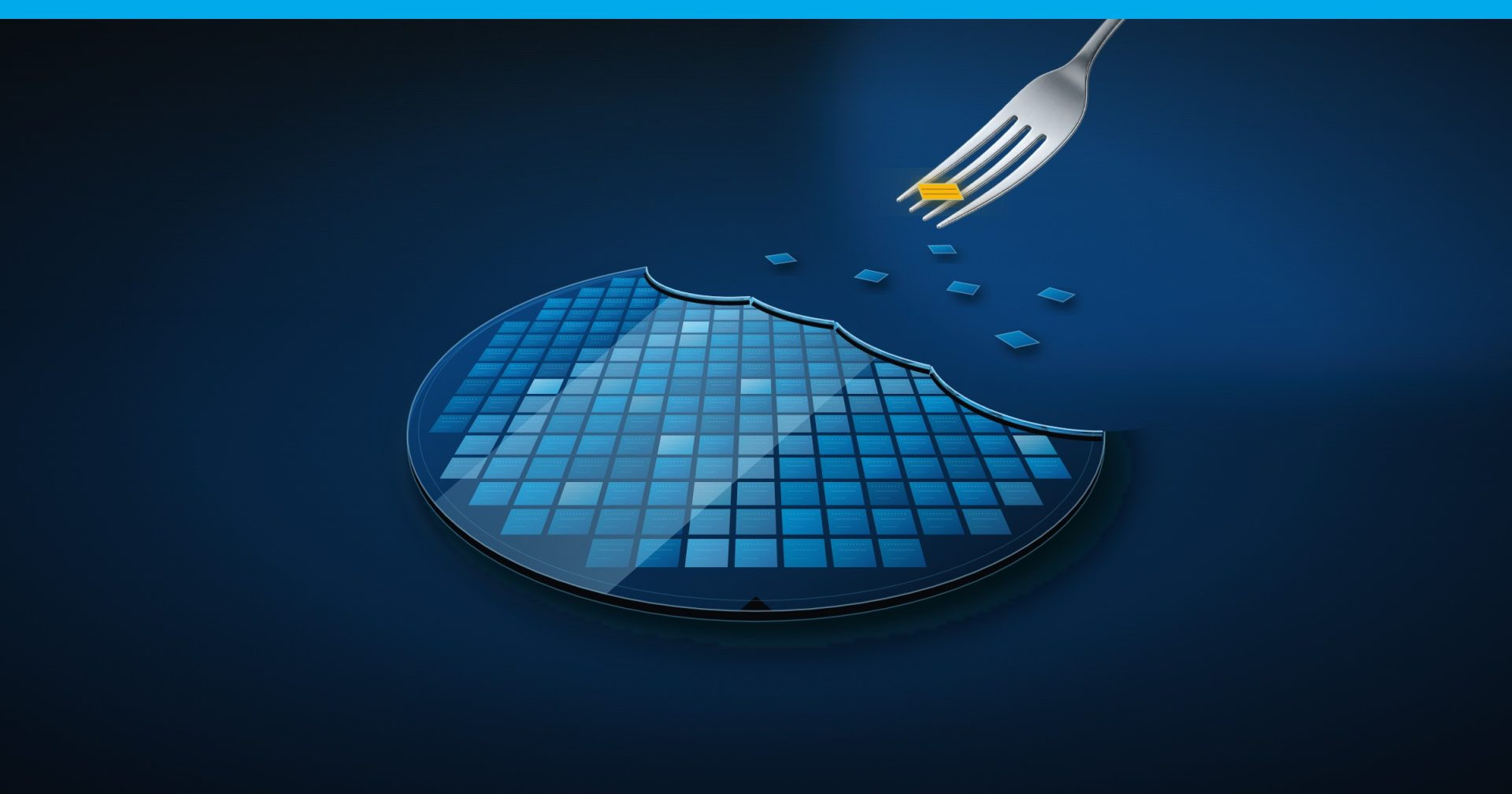
To understand why, let’s start with the wafer. Memory is the RAM in a server, the fast working space a machine uses while it is running, and it gets cut from discs of silicon 300 mm across, roughly the size of a dinner plate. A chip factory can only produce so many of these wafers a month, so it has to decide what to cut from them. In 2026 that decision went one way.
AI accelerators, the specialized chips that run large AI models, need a stacked, very fast kind of memory called HBM, short for high-bandwidth memory. HBM is cut from the same wafers as DDR5, the ordinary memory sitting in your server, but it yields far less usable memory per wafer. Micron, one of the leading producers of memory chips, has said that producing one unit of HBM consumes the wafer capacity that would otherwise have produced three units of DDR5.
It’s easy to see where this leads: each unit of HBM is three units of ordinary server memory that never get made. To be fair, the manufacturers are not being unreasonable about this. When wafer capacity is the thing in short supply, you make whatever earns the most from each wafer, and HBM earns a great deal more than DDR5. Multiply that choice across an industry retooling at speed, and you have the supply side of this year’s price rise. Not great for those of us on this side of the production chain.
Prices have followed this trend quickly, as they always do. TrendForce, which tracks what large buyers actually pay under supply agreements rather than retail shelf prices, projected conventional memory contract prices would rise 58% to 63% in the second quarter of 2026 alone, with NAND flash storage, the kind inside the fast NVMe drives that hold your data, up 70% to 75% over the same three months.1 On the open spot market, where anyone buying without a long-term agreement ends up, DDR5 prices have run up to roughly five times what they were a year ago.2 IT research firm Gartner puts the combined rise across memory and storage at around 130% for 2026.3 There is no version of a hardware budget that absorbs numbers like that quietly, and those are the components underneath every virtual server on the market, ours included.
A normal shortage ends when factories add capacity. This one does not end until the split between AI memory and ordinary memory shifts back, and TrendForce expects the market to remain undersupplied through the end of 2026, with capacity continuing to shift toward server and AI applications into 2027.1 The rate of increase is at least showing signs of slowing: conventional memory contract prices are forecast to rise 10% to 15% in the final quarter of 2026.1 This is a slower rate compared to where the year began, but prices are still going up, just less steeply. That’s the bottom line everyone in this industry is now planning around, us included.
RAM gets the headlines. The rest of the bill is quieter.
Memory is the most visible cost driver, but it is not the only one. Several smaller lines moved at the same time, and they add up in a way that a single component price does not.
Rising energy costs have led to electricity, cooling, and the cost of running the data centers themselves moving in the same way. None of these is a big deal on its own. Together they are the difference between a cost base that holds and one that does not.
Another clear example is the IPv4 address. Every server needs a public address to be reachable on the internet. The supply of new ones ran out years ago, and what remains is traded second-hand at steadily rising prices. One address is a rounding error. Several hundred thousand of them is a budget line.
What we changed, and how we move forward
We adjusted prices on selected plans. Entry-level VPS pricing moved. Cloud VDS moved and became Max Performance VPS. Pricing changed for some existing customers. Most of the portfolio did not move, and the adjustments we did make were small against what happened to our own costs.
We also restructured the portfolio rather than only repricing it. Core VPS remains the low-cost entry point, and we added Performance VPS above it for workloads that need newer hardware. The point of adding a tier is choice: you can match what you pay to what you actually need, instead of every customer absorbing one increase across the board.
Hardware for demanding AI projects sits in its own product line for the same reason. Graphics processors and the memory stacked around them are the most expensive things in a modern data center, and if that cost were spread across the whole range, every ordinary web server would be helping to pay for it. GPU VPS carries its own pricing (still well below most of the competition for equivalent dedicated GPU power), so the people running heavy AI workloads pay for the hardware they need.
The value of clarity in uncertain times
We’re being clear about the background driving these price changes because it’s the right thing to do. Customers like you who see a change on their bill are not going to be reassured unless they understand where this difference comes from. You trust us with your projects, we trust you with the full picture.
The challenges facing the hosting market are real, and they’re going to keep affecting things for a while. While we can’t do anything about the cause, we’ve worked hard to move far less than the overall market, and we moved selectively to minimize the impact on you, because we know you feel this impact far more than we do.
We’re going to stick to this honest approach over the next 12 months, come what may. We would like to tell you prices will be stable through 2027, but given what the memory market is doing, that would not be a promise we could realistically keep. What we can commit to is the intent guiding our decisions: adjustments stay as small and as rare as we can make them, and they happen only when the economics leave no alternative.
Why we were able to move less than most
We absorbed more of the increase than most providers because of how we buy and run hardware, and that predates the shortage by about two decades. Four habits carry most of the weight. When we made these operating decisions back then, we weren’t trying to avoid a future crisis. They were just how we chose to do things. Those choices are really paying off today.
We buy for efficiency and lifespan, not just speed. Every component gets judged on what it costs against what it delivers, on how much electricity it draws, and on how long it will keep working. Performance per watt counts as much as performance per euro, because we pay the electricity bill for years after we have paid the invoice.
That habit is doing a lot of work right now. A provider that replaces its machines every few years has to go back to the market and buy at whatever the price happens to be that quarter. This year, that is a very bad place to be standing. We buy less often and keep hardware productive longer, so a price spike reaches our own costs more slowly and in smaller steps.
We run one hardware platform everywhere. Unlike most providers, we use the same hardware setup in every data center we operate, across eleven Locations in nine Regions. Buying one thing in volume gets better terms than buying ten things in small batches. It also means one spare part fits everything, and it cuts what we spend on maintenance.
We manage load in software. Our own scripts spread work across machines so performance stays steady, which means we don’t have to buy extra servers just to hold as a safety margin. Idle hardware bought as insurance is the most expensive hardware there is, and this year it got more expensive still.
We stay lean on everything that is not infrastructure. Less than a hundred people run this whole company, from our technicians managing data centers around the world to support agents providing round-the-clock assistance to over 300,000 customers. The money goes into infrastructure rather than offices and other unnecessary expenses, and shows up directly in our low prices.
What to do next
The prices you see at the moment are likely the lowest they are going to be for the foreseeable future. Our best advice to you is therefore to secure the servers you need sooner rather than later. If you know you’ll need them for a while, long-term plans allow you to lock in the current price with a discount of up to 20% for a duration of up to two years. This is your best insurance against future price increases.
If prices move again, you will hear it from us with as much warning as possible, and with the reasoning attached. Nobody can forecast this market with confidence, and we aren’t going to pretend we have a crystal ball. What we can do is move only when we must, and tell you why every time. That is our commitment to you as we head into 2027.
FAQ
Why did cloud hosting prices rise across the market in 2026?
AI data centers bought up the world’s memory supply. The fast stacked memory that AI chips need is cut from the same silicon wafers as ordinary server memory but yields far less per wafer, so ordinary memory became scarce and expensive. TrendForce measured conventional memory contract prices rising 58% to 63% in a single quarter of 2026, with DDR5 prices increasing by roughly five times in 2026. Storage, electricity and internet addresses rose alongside it.
Did Contabo raise prices in 2026?
Yes, on selected plans. Entry-level VPS pricing was adjusted, Cloud VDS was adjusted to become Max Performance VPS, and pricing changed for some long-standing contracts. Most of the portfolio was not repriced, and the adjustments that were made stayed small relative to the rise in underlying hardware costs. We moved far less than the market and we moved selectively, rather than repricing everything at once.
Was my plan affected?
Adjustments applied to entry-level VPS pricing, Max Performance VPS (Cloud VDS) and some long-standing contracts. Most of the portfolio was not repriced. If you are unsure whether a change applies to you, our support team can confirm it.
Why adjust entry-level plans rather than the premium tiers?
Memory makes up a larger share of the cost in a low-priced plan, so a memory price rise hits those plans hardest in percentage terms. Higher tiers carry more of their cost in processor and storage, which moved less this year. Adjusting where the cost actually landed keeps the entry plans available rather than withdrawing them.
Will Contabo prices stay stable for the next 12 months?
We cannot honestly guarantee that. TrendForce expects memory supply to stay tight through 2026, with meaningful new factory capacity unlikely before late 2027, and promising frozen prices under those conditions would be a commitment we might not be able to keep. Our goal is different and more realistic: keep adjustments as small and as infrequent as possible, and make them only when the economics leave no alternative.
Will GPU and AI workloads make regular VPS more expensive?
No. Graphics processors and the memory around them are expensive, so we keep them in a separate GPU VPS product with its own pricing rather than spreading the cost across everything. The extra cost stays with the customers running those workloads. Ordinary virtual servers are not asked to subsidize AI hardware through a general increase applied across the portfolio.
1 Source: TrendForce memory pricing research, press releases of 31 March 2026 and 30 September 2026.
2 Figure reflects a DDR5 16Gb spot level reported on 24 September 2026 via third-party trackers citing the DRAMeXchange/TrendForce spot board.
3 Source: Gartner press release, 26 February 2026. Figure is Gartner’s estimate for combined DRAM and solid-state drive prices by the end of 2026, compared with 2025 levels.