

THE CONTABO BLOG
Server know-how, product
news and hands-on guides
Benchmarks, tutorials and announcements from the team behind your VPS, VDS and
dedicated servers — written for people who actually run the machines.
dedicated servers — written for people who actually run the machines.
Latest articles

Making Sense of DNS: A Practical Guide to Contabo’s DNS Management
A clear, step-by-step guide to setting up DNS and reverse DNS in Contabo’s Control Panel—optimize your site’s accessibility and email deliverability with ease.
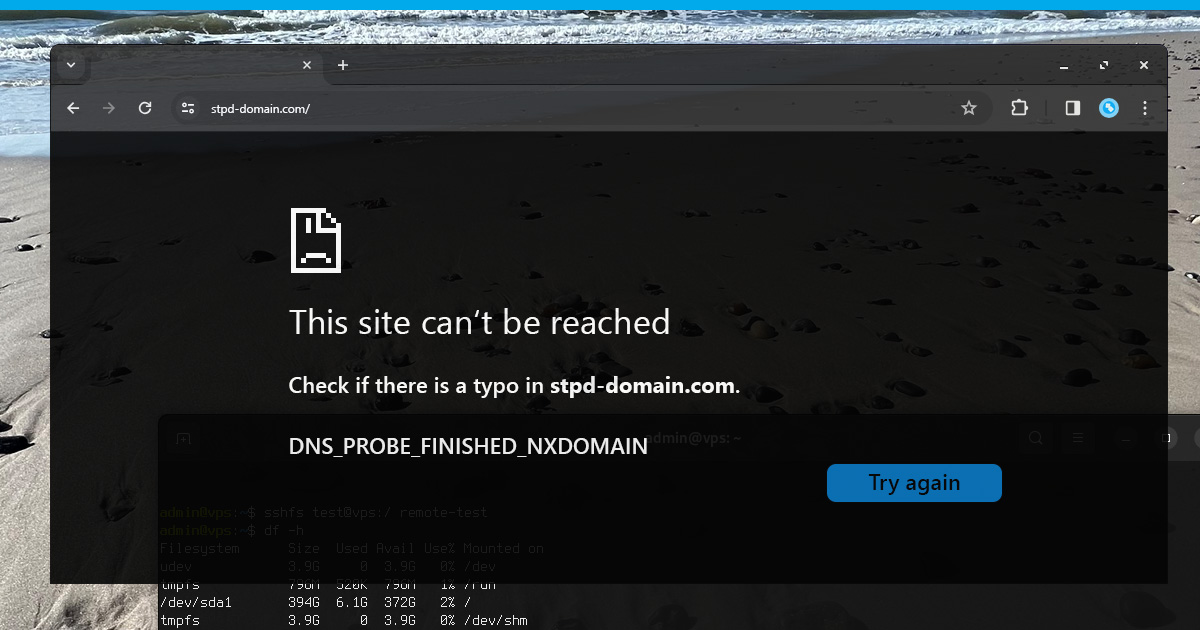
DNS_PROBE_FINISHED_NXDOMAIN: What It Means and How to Fix It
Fix DNS_PROBE_FINISHED_NXDOMAIN in minutes: what it means and what to do as a visitor or site owner.
What is a VPS? A Beginner-Friendly Guide to Contabo’s Virtual Private Servers
If you’re exploring your options for hosting a website, deploying apps, or managing cloud-based workloads, chances are you’ve come across the term VPS. But what exactly is a…

Always Improving: Watch Video Guides and Get Faster Answers with our Improved Self-Support Resources
Finding help just got easier. Contabo’s Knowledge Base now includes step-by-step video guides alongside hundreds of articles, all designed to help you solve issues quickly and independently. Explore…

Chrome Blocking Mixed Content: How to Fix
Learn how to fix and prevent mixed content issues on your website. Discover why Chrome blocks insecure elements, how to identify and resolve errors, and best practices to…

Simplify Your Hosting Experience: How to Set Up Automatic Payments with Contabo
Tired of tracking hosting invoices manually? Learn how to set up automatic payments with Contabo using credit card or PayPal, so your services stay online without interruptions.

Always Improving: AMD Turin CPUs Join the Contabo Virtualization Hosts Inventory
Contabo has rolled out AMD EPYC Turin 9995P processors across our data centers, improving performance while reducing energy consumption. Find out how this infrastructure upgrade benefits your projects…

403 Forbidden Error: What It Means and How to Fix It
What 403 Forbidden means, why you see it, and how to fix it as a visitor or site owner: permissions, .htaccess, nginx, plugins, CDN/WAF.